
Bladder diseases can have serious effects on individuals’ quality of life and are often accompanied by bothersome symptoms. The bladder, as part of the urinary system, is responsible for storing and expelling urine. This article will discuss common bladder diseases, including bladder infections, bladder stones, bladder cancer, urinary incontinence, overactive bladder, and neurogenic bladder.
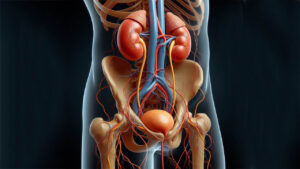
1. Bladder Infection (Cystitis)
Definition: A bladder infection, known as cystitis, is usually caused by a bacterial infection that can lead to inflammation of the bladder.
Symptoms:
- Painful urination or burning sensation while urinating
- Frequent and urgent need to urinate
- Presence of blood in urine
- Pain in the lower abdomen
Treatment:
- Antibiotics: The primary treatment for bladder infections is the use of antibiotics.
- Pain relievers: Analgesics can be used to reduce pain and discomfort.
- Hydration: Drinking adequate fluids to help flush out the infection and toxins from the body.
2. Bladder Stones
Definition: Bladder stones are hard accumulations of minerals and salts that form in the bladder and can cause obstruction and urinary problems.
Symptoms:
- Pain in the lower abdomen or back
- Painful or frequent urination
- Presence of blood in urine
- Feeling of pressure in the bladder
Treatment:
- Home remedies: Increasing fluid intake and using pain relievers.
- Non-surgical methods: Such as breaking stones using sound waves (ESWL).
- Surgery: In larger or more complex cases, surgery may be needed to remove the stones.
3. Bladder Cancer
Definition: Bladder cancer is one of the most common types of cancer in the urinary system, usually starting from the tissues of the bladder.
Symptoms:
- Presence of blood in urine (hematuria)
- Frequent urination or urgent need to urinate
- Pain in the lower abdomen or back
- Unexplained weight loss
Treatment:
- Surgery: To remove the tumor, and in more advanced cases, a complete bladder removal may be necessary.
- Radiation therapy: To kill cancer cells.
- Chemotherapy: For advanced or recurrent cancers.
- Immunotherapy: To boost the immune system in fighting cancer.
4. Urinary Incontinence
Definition: Urinary incontinence refers to the inability to control urination, which can be caused by various factors, including weakened bladder muscles or neurological issues.
Symptoms:
- Urine leakage during coughing, laughing, or physical activity
- Urgent need to urinate
- Feeling of incomplete bladder emptying
Treatment:
- Kegel exercises: To strengthen pelvic floor muscles.
- Medications: To control symptoms and reduce the urge to urinate.
- Surgical methods: In severe cases, surgery may be needed to correct bladder structure.
5. Overactive Bladder
Definition: Overactive bladder refers to a condition where an individual has a frequent and urgent need to urinate, even when the bladder is not full.
Symptoms:
- Frequent urination (more than eight times a day)
- Urgent need to urinate
- Urine leakage
Treatment:
- Medications: To reduce bladder contractions and control symptoms.
- Bladder training: To help the bladder empty more effectively.
- Nerve stimulation: To assist in controlling the bladder.
6. Neurogenic Bladder
Definition: Neurogenic bladder refers to a condition where bladder control is lost due to neurological problems. This condition can result from spinal cord injuries, strokes, or neurological diseases.
Symptoms:
- Urine leakage or inability to fully empty the bladder
- Feeling the need to urinate without the ability to control it
Treatment:
- Medications: To control symptoms and improve bladder function.
- Nerve stimulation: To help restore control over the bladder.
- Catheterization: To drain the bladder as needed.
Conclusion
Bladder diseases can have serious impacts on individuals’ quality of life. Early diagnosis and appropriate treatment of these conditions can help improve the patient’s situation and prevent serious complications. If any unusual symptoms occur, consulting a specialist is essential. Additionally, maintaining a healthy lifestyle and consuming adequate fluids can help preserve bladder health.

